 (Image via
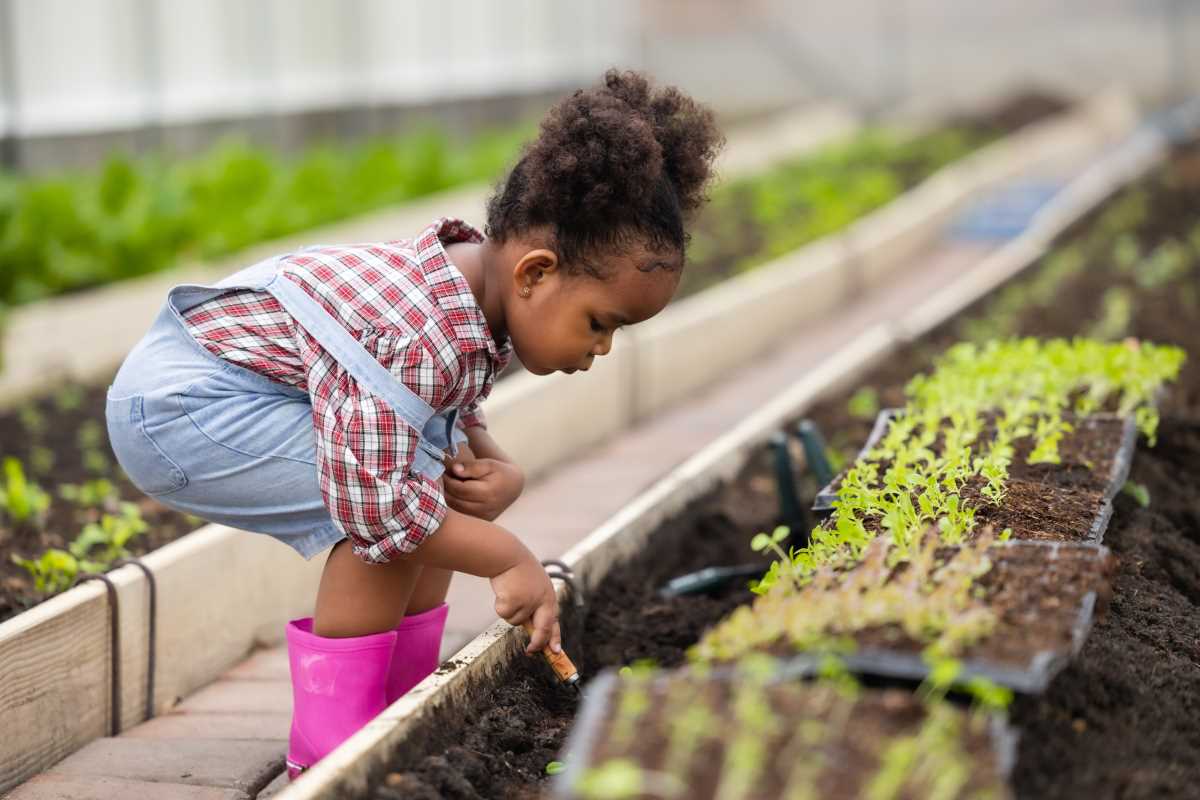
Children discover new interests and develop practical skills when schools introduce a garden-based learning program to their spacious grounds. Working with soil, plants, and garden tools connects classroom concepts in science, math, and art to real-world experiences outside. Students gain valuable teamwork experience as they care for seeds and watch them grow, all while building confidence with each task. Organized garden plots offer a clear look at how food grows and highlight the important links within local ecosystems. By turning a large yard into a living classroom, schools create an environment where lessons become more memorable and learning feels exciting and active.
Clear planning fuels success. School leaders can map out plots, choose crops, and set harvest goals. Teachers collaborate on lesson plans that align with state standards in biology, nutrition, and social studies. Engaging families and local volunteers creates a support network. With defined roles and realistic timelines, schools turn grassy fields into productive garden spaces. These plants provide real-world lessons that students remember long after test day.
Assess Local Soil and Site Conditions
- Conduct soil tests through university extension services or kits. Pay attention to pH, nitrogen, and phosphorus levels.
- Observe sun patterns. Track hours of direct light over two weeks to place vegetable beds where they receive at least six hours daily.
- Check drainage by digging test holes. Fill them with water and time how long it takes to soak in; aim for under four hours.
- Note existing trees and structures. Plan raised beds or shade crops like lettuce where sunlight decreases in summer.
Mapping out irrigation points prevents dry spots and overwatering. If water access sits at one corner, install splitters or drip lines along rows. On-site compost bins turn yard waste into rich humus. Encourage students to collect fallen leaves and grass clippings. They learn nutrients recycle in nature as they shovel finished compost into planting beds.
Analyzing local wildlife patterns helps decide which plants to grow. Areas with frequent deer visits require taller fencing or natural repellents. Installing motion-activated lights or planting sacrificial rows of clover can deter nibblers. By addressing these site-specific factors early, schools prevent crop loss and keep children motivated.
Engage Students with Hands-On Planning
- Form garden committees. Invite students, teachers, parents, and community members. Assign roles like treasurer, irrigation lead, and curriculum coordinator.
- Sketch layout drafts. Use graph paper to draw beds, paths, and seating zones. Let students suggest fun features such as sunflowers along walkways.
- Select crops together. Offer choices between tomatoes, pumpkins, and pole beans. Hold votes but guide selections based on climate and available space.
- Estimate seed and material costs. Teach basic budgeting: compare seed packets, soil bags, and tool prices. Ask local stores for donation matches.
- Set planting and harvest dates. Create a calendar that fits classroom schedules. Mark key checkpoints like soil preparation, planting day, watering shifts, and harvest fairs.
This participatory planning process makes everyone feel invested. Students learn project management skills while they measure bed dimensions with rulers and tape measures. They practice communication as they pitch ideas and negotiate layout changes. These tasks boost confidence and produce tangible results at each milestone.
Combine Curriculum and Garden Activities
Pair math lessons with garden tasks. Have students calculate row lengths, plant spacing, and yield estimates. For example, ask: “If one tomato plant yields 10 fruits and you space them six inches apart in a 12-foot row, how many tomatoes can we expect?”
Connect science topics to soil biology. Set up simple experiments: compare growth in soil with different nutrient levels or test compost tea on seed germination. Display data on charts and teach basic graphing skills.
Include language arts by asking students to journal daily observations. They can write blog posts or create newsletters for families. Visual arts fit naturally: children sketch leaf shapes, paint garden signs, and design seed packet labels.
Social studies lessons focus on local agriculture history. Invite students to research heirloom seed varieties once grown in the region. They gain perspective on food systems and cultural traditions while sowing beans, squash, and corn in the same fields their grandparents once farmed.
Partner with Community and Local Experts
Contact county extension agents for workshops on integrated pest management. They provide free resources and training on natural pest controls, such as neem oil or companion planting with marigolds.
Invite master gardeners from nearby clubs to lead weekend sessions. They demonstrate pruning, trellising, and seed starting under grow lights. Students ask questions and gain hands-on guidance.
Work with nearby farms or agronomists to secure surplus seeds and seedlings. Local farmers often welcome the chance to talk about crop rotation or drip irrigation systems. A short field trip to a working farm turns theory into practice.
Partner with health professionals to deliver nutrition talks. Dietitians explain the benefits of fiber, vitamins A and C found in garden produce. Students taste-test kale chips or roasted zucchini at school lunch to reinforce healthy choices.
Maintain and Expand Your Garden Program
Schedule weekly garden club meetings. Assign student pairs to water, weed, and measure growth. Post a rotating schedule on a visible bulletin board. This routine keeps tasks from piling up and teaches responsibility.
Set yearly goals: expand bed count by 20%, introduce three new crop varieties, or start an on-site greenhouse. Track progress with photos and short video clips. Share updates on the school’s social media or newsletter.
Organize seasonal events like spring planting fairs or fall harvest festivals. Invite families to pick produce and join cooking demonstrations. These gatherings strengthen community ties and showcase student achievements.
Apply for small grants from garden foundations. Many offer up to $1,000 for educational plots. Use funds to buy raised-bed kits, rain barrels, or solar-powered irrigation timers. Students help write grant statements, gaining grant-writing experience.
Gardening in a schoolyard creates a lively space for exploration and learning. Clear roles and engaging lessons help students see their effort grow into real crops and understanding.