 (Image via
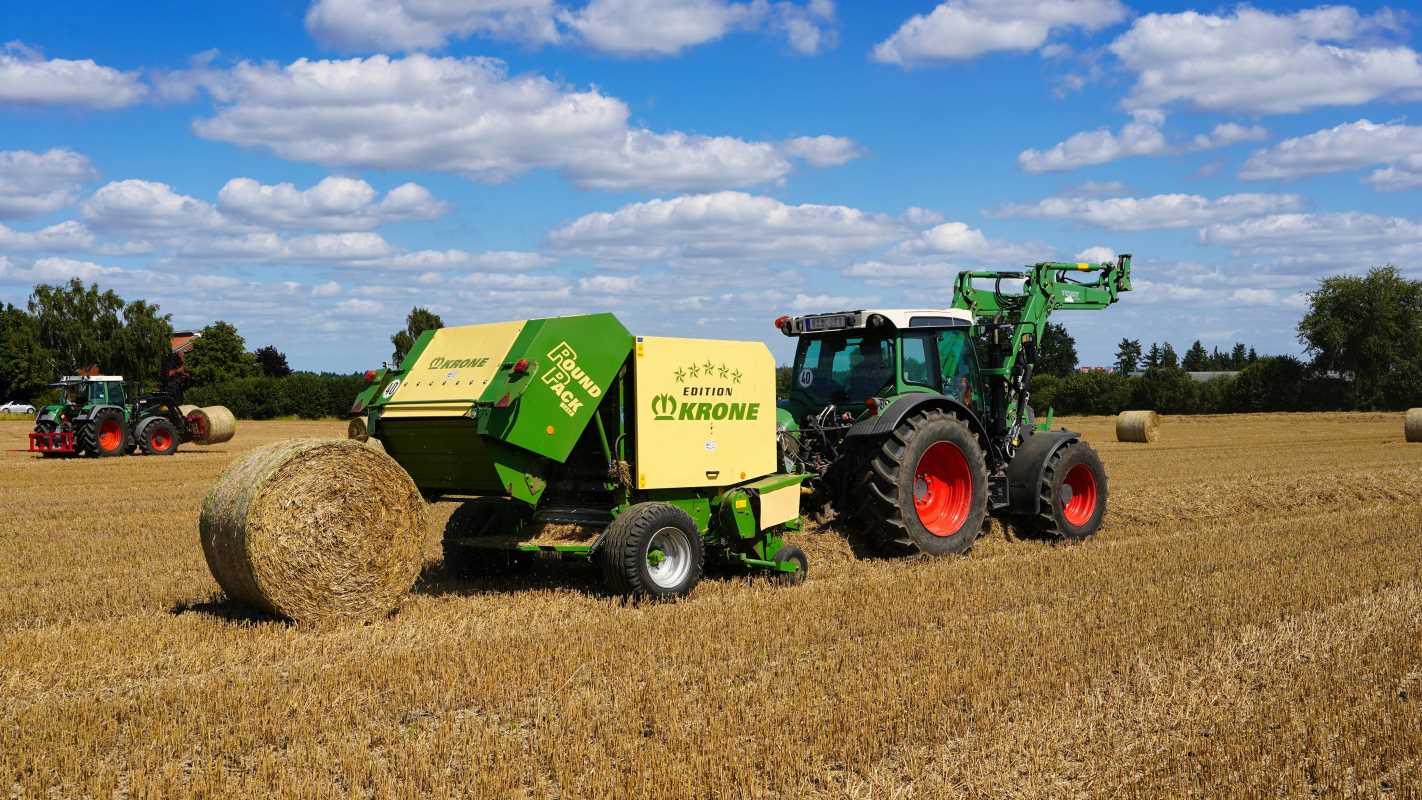
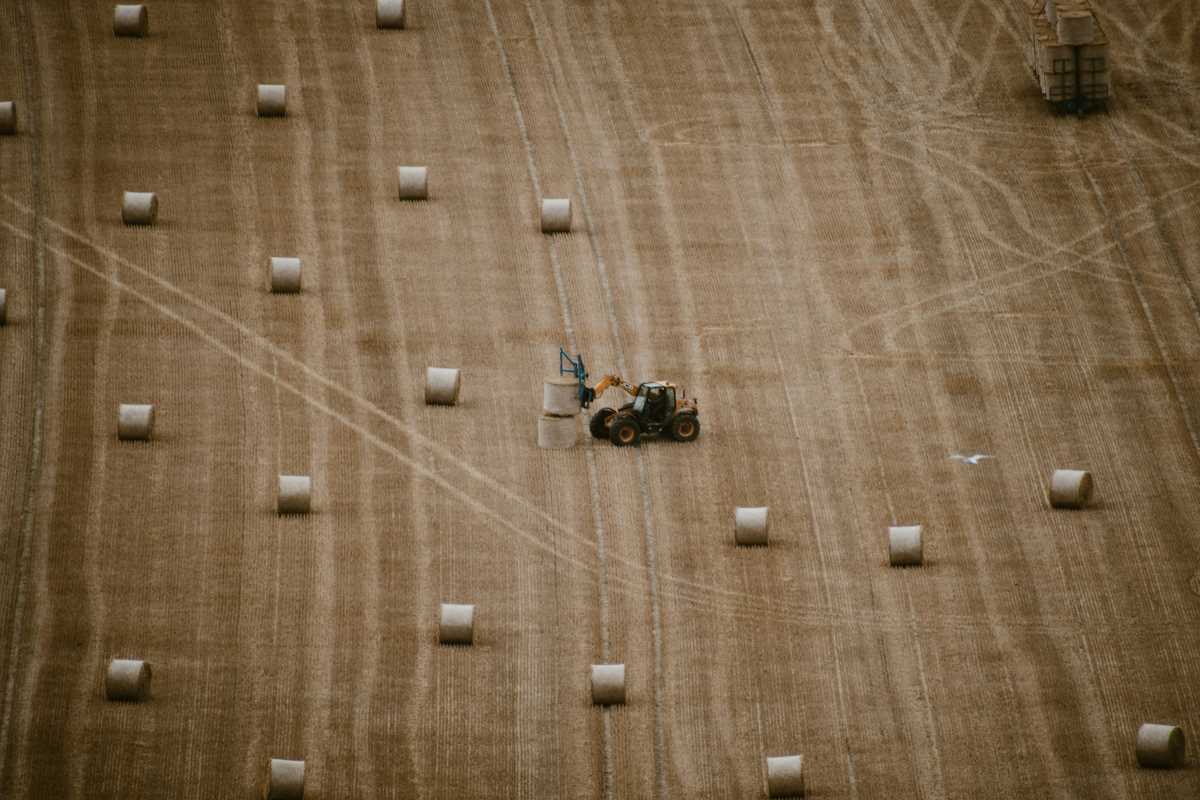
Automated hay balers equipped with IoT connectivity bring greater efficiency and accuracy to large-scale land care. These advanced machines monitor their own operation, make real-time adjustments, and send instant alerts about potential issues, no matter where you are on the property. By handling routine checks automatically, they minimize downtime and help maintain consistently high-quality results. Farmers and operators spend less time on manual inspections and more time focusing on other important tasks, knowing that the balers keep them informed and productive throughout the harvesting process. With these tools in place, managing extensive fields becomes smoother and more reliable.
Owners report faster bales, fewer breakdowns, and clearer data. This guide explains five top features to look for. Each feature adds value on acres that need steady output and smart oversight.
Feature 1: Live Remote Monitoring
Live data feeds let you monitor baler speed, temperature, and battery level on your phone. You avoid midday drives just to check pressure gauges. Alerts appear when readings go outside of normal ranges.
- Count bales and measure cycle time.
- Get alarms for temperature or moisture levels.
- Track hydraulic pressure and oil status.
- Check GPS location for each machine.
This visibility reduces guesswork. If moisture increases, you move machines to drier areas. When pressure drops, you pause and make adjustments before a belt breaks. Fields stay more productive.
Feature 2: Automated Bale Density Control
Uniform bales make storage and transport easier. Modern balers automatically adjust density based on crop type and field conditions. You set targets once; the system modifies knotter tension and plunger force in real time.
- Select density presets for alfalfa, grass, or straw.
- Machine measures crop flow and plunger load.
- It tightens or loosens bale rings instantly.
- Review density logs to improve future runs.
This control ensures each bale meets specifications. Trucks load faster, and feed quality remains consistent. You save on wire or twine by avoiding over-tightening.
Feature 3: Predictive Maintenance Alerts
Sensors monitor wear on belts, gears, and bearings. Instead of waiting for a breakdown, you receive warnings days ahead. These signals come from vibration analysis and oil-condition tests.
Alerts appear when a roller bearing runs hotter than usual or a chain stretches beyond its limit. You schedule service between fields. Emergency repairs decrease by up to 40%.
Feature 4: Integration with Farm Management Systems
Connecting balers to broader software unifies all equipment data. You get a single dashboard for tractors, planters, and balers. You can view total field output or cost per bale on one screen.
Data synchronization helps with record-keeping and compliance. Export logs for warranty or subsidy reports in seconds. You avoid manual entry errors and keep files ready for audits.
Feature 5: Energy Efficiency and Power Management
High productivity often means high fuel consumption. Smart balers adjust engine power to match hauling demands. They turn off auxiliary systems when not in use. This reduces fuel use and extends run time per tank.
Some models operate on electric drives with battery backup. They recharge via solar panels on trailers during breaks. This combination of diesel-electric design cuts fuel use by up to 25% and smooths peak load spikes for generators in remote locations.
Choose an Amazone baler with features suited to your field. These tools help you monitor, control, and maintain your equipment efficiently, so you can focus on your next harvest.