 (Image via
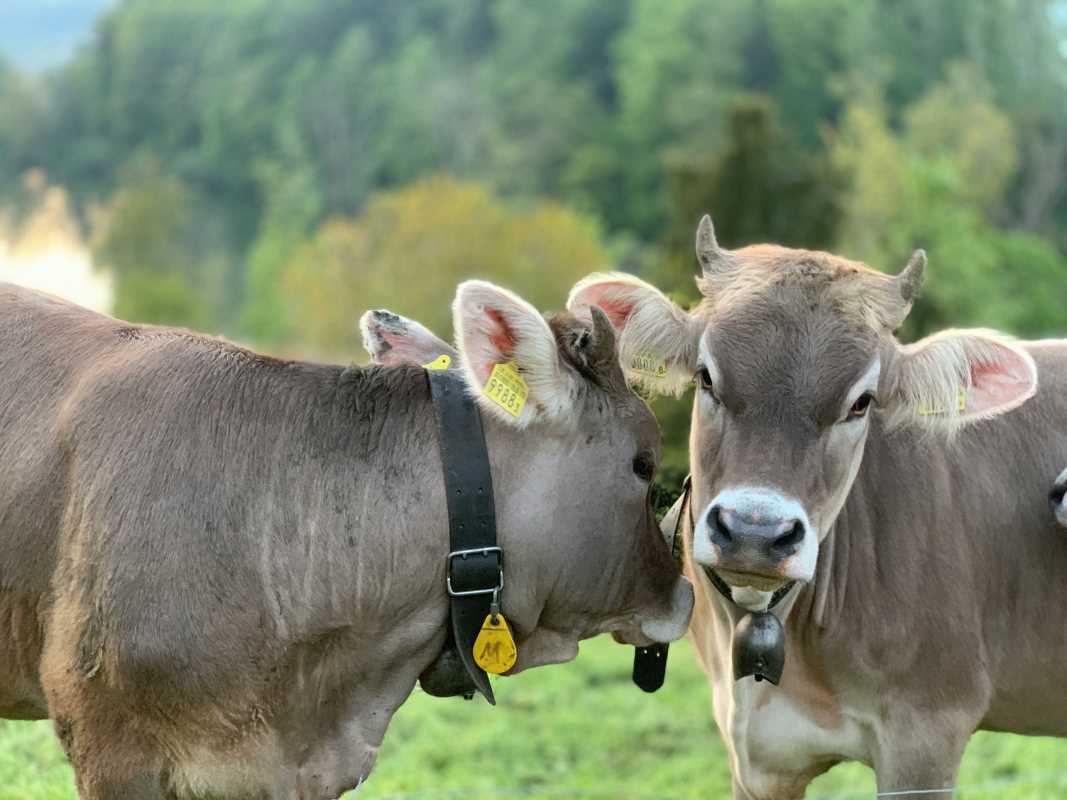
Farmers face many obstacles when tracking the well-being of livestock spread across large fields, especially when it comes to keeping up with health concerns and detecting problems early. With wearable sensor networks, gathering vital information about each animal becomes far more manageable. These compact and durable devices attach securely to collars or harnesses and continuously collect data such as temperature, movement, and location. By reviewing this information remotely, you can notice shifts in grazing habits or early warning signs of illness. The system can send customized alerts if an animal exhibits abnormal activity—like remaining still for an unusual length of time—allowing for a rapid and informed response to potential issues.
Choosing the right equipment and configuring the system requires careful planning. You need reliable sensors, a robust communication network, and software tools that convert raw data into understandable reports. Bigger land parcels present more complexity, but they also benefit the most from continuous monitoring. This guide walks you through each step, from selecting hardware to analyzing data, so you maximize benefits and keep herds healthy.
Details About Wearable Sensor Networks
A wearable sensor network links multiple nodes—individual sensors—that animals wear. Each node gathers signals and transmits them via a wireless connection to a central hub or gateway. Modern systems frequently use low-power protocols like LoRaWAN or Bluetooth Low Energy. This approach keeps battery consumption low while covering long distances. Cloud-based software then receives the data for storage and analysis.
These networks let you monitor vital signs and track herd movements almost in real time. You can identify deviations in feed intake or early signs of illness. Overlay GPS data on a map to visualize migration routes or spot zones where animals tend to stay longer. Over time, you collect data trends that help plan grazing rotations and pasture recovery strategies.
Essential Components and How to Set Them Up
- Wearable Sensors: Select collars or ear tags that monitor temperature, heart rate, and movement. Opt for IP67-rated casings to withstand dust and rain.
- Communication Gateways: Install gateways at elevated positions to relay data to the cloud via cellular or satellite connections. Ensure a clear line of sight to maximize range.
- Power Solutions: Use rechargeable batteries combined with solar panels or long-life cells that last up to a year.
- Cloud Platform: Choose a platform offering dashboard views, custom alerts, and data export options. Examples include CowMonitor X2 and SheepSense Pro.
- Management Software: Select software that integrates GPS maps, statistical analysis, and mobile app notifications.
When installing, place sensors on healthy adult animals, one herd at a time. Test each device before releasing it. Position gateways near power sources or solar panels. Use calibration tools to set sensor sensitivity and GPS accuracy. Confirm connectivity at each gateway with a mobile hotspot test.
Gathering and Analyzing Data
- Define your monitoring objectives: Decide whether you focus on health alerts, location tracking, or grazing behaviors. Adjust sensor sampling rates accordingly.
- Set alert thresholds: Program the software to send notifications when an animal’s temperature exceeds 39°C or activity levels drop by 50% over two hours.
- Collect data: Operate your system during a trial period of about two weeks. Check data consistency and battery performance.
- Review initial reports: Use the dashboard to view graphs showing movement and health data. Highlight anomalies for follow-up actions.
- Adjust parameters: Fine-tune sampling intervals and thresholds based on trial results to reduce false alarms and conserve battery life.
Once the system functions reliably, plan weekly reviews of key metrics. Export CSV files for detailed analysis using spreadsheets or specialized software. Combine sensor data with weather information to understand how temperature or rainfall influences grazing patterns. These insights assist in making informed decisions about feed distribution and pasture rest periods.
Implementing and Managing the System
After sensors and gateways operate dependably, incorporate the system into daily routines. Assign a person to monitor sensor health: check batteries and clean worn parts. Use a mobile app for quick inspections while managing fences or conducting checks. Ensure field staff know how to identify and report sensor issues or unusual animal behaviors.
Rotate sensors among animals every few months to ensure even wear. Keep spare units ready for quick replacements. Train your team on basic troubleshooting: reboot gateways, resynchronize sensors, and update firmware via USB dongle or remote push. Write down procedures in a simple manual, including photos and step-by-step instructions.
Cost Factors and Return on Investment
Initial costs include sensors, gateways, and software subscriptions. A typical setup costs between $60 and $100 per animal, plus around $400 for each gateway. Cellular data fees add approximately $20 to $30 per gateway each month. Solar-powered gateways lower energy costs but increase initial expenses by 15–20%.
To determine return on investment, monitor reductions in veterinary expenses and increases in weight or milk production. Detecting illness early can reduce treatment costs by about 30%. Better grazing management can improve pasture use by 15%. Over a year, you may recover hardware costs through less feed waste and healthier herds.
Consider leasing equipment if you cannot pay upfront. Some providers offer trial periods with partial refunds if the system underperforms. Look for discounts when equipping more than 50 animals.
Calculate the total ownership cost over two years, including maintenance, replacement parts, and service fees. Compare this to savings from fewer lost animals, less labor, and higher yields to justify ongoing use.
Bundle software and data fees into annual contracts to keep costs predictable. Negotiate upgrade programs that refresh outdated sensors every 18 months.
Review the system’s performance quarterly to confirm it continues to meet your needs. If performance declines or costs unexpectedly increase, adjust sensor density or renegotiate service agreements.
Following these steps helps you manage large properties more efficiently and improves herd productivity without endless manual checks.
Wearable sensor networks help you monitor animals more effectively, providing insights that improve herd health and resource use. Begin with a small setup, improve your system, and expand as benefits become clear. This leads to healthier animals and better farm management.