 (Image via
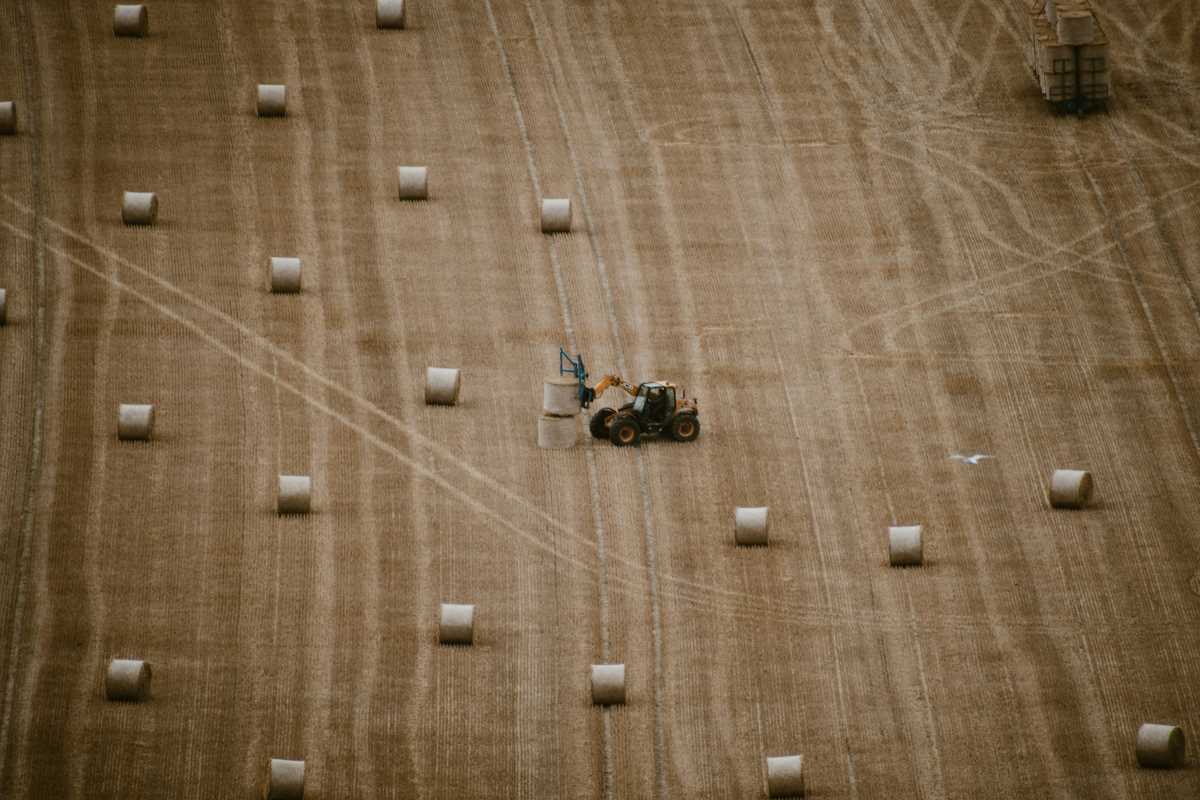
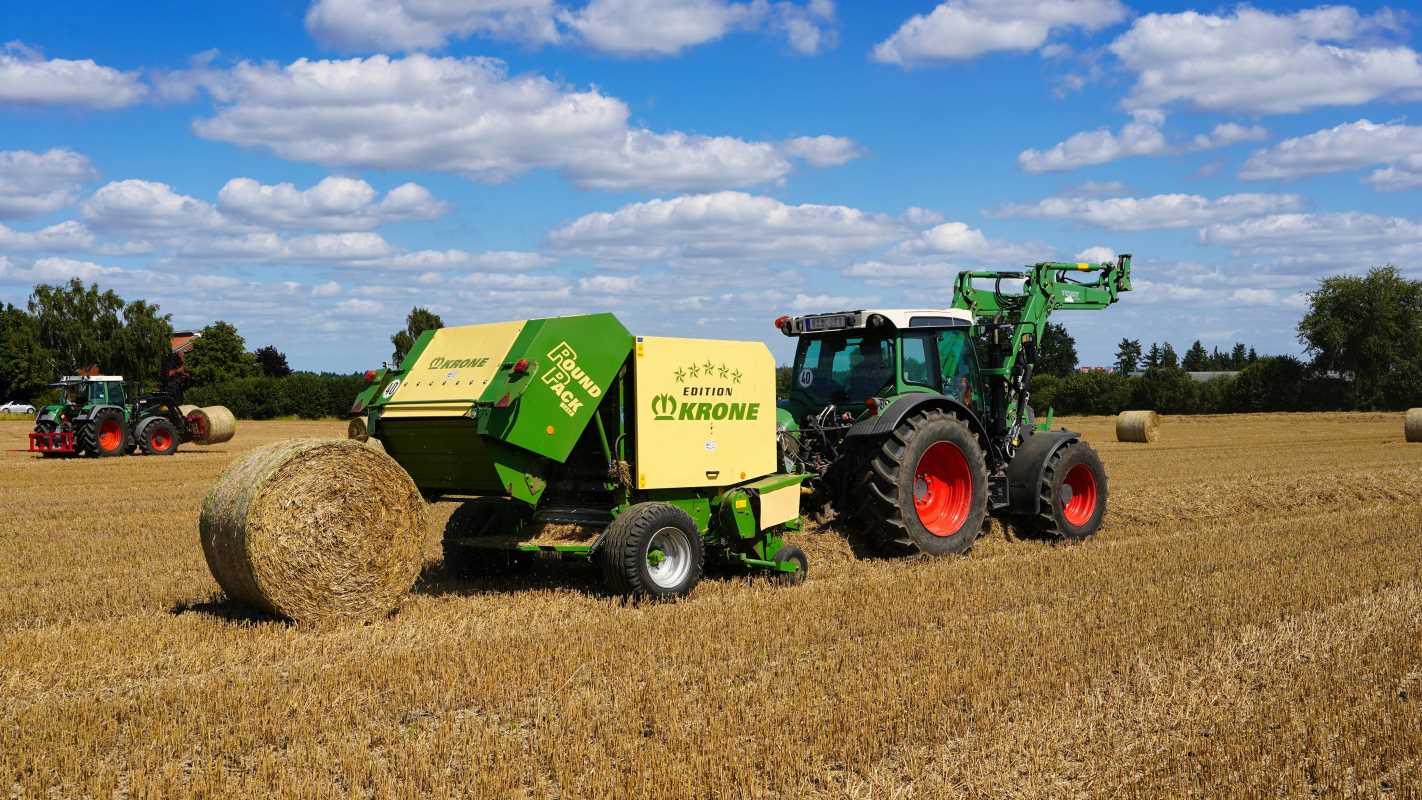
Farmers benefit greatly from automated hay balers, which streamline the process of collecting and handling hay across sizable fields. These machines help cut down on manual labor, speed up harvest times, and consistently produce high-quality bales. With the right approach, operators can enhance productivity and manage farm resources more efficiently. Knowing how to operate automated hay balers to their full potential ensures smoother workflows and better outcomes throughout the hay season. This article covers seven practical tips for getting the best results from automated hay balers when working with larger tracts of land.
Understanding the Benefits of Automated Hay Balers
Using automated hay balers offers several advantages that can make a significant difference on big farms. They help produce consistent bale sizes, which simplifies storage and transportation. Their automation features reduce manual effort and minimize operator fatigue during long work hours. Additionally, these machines often include advanced sensors and controls that optimize baling in real-time.
- Increase bale uniformity for easier handling and storage
- Save time by automating key functions
- Reduce labor costs and physical strain
- Improve hay quality with precise moisture and density control
1. Optimize Bale Density
Maximizing bale density ensures that you pack hay tightly, reducing storage space and preventing spoilage. Modern automated balers allow operators to set specific density levels, which the machine maintains throughout the process. Consistent density also prevents bales from collapsing during handling, saving labor and time.
Regularly adjust the density settings based on hay type and weather conditions. Dense bales weigh more, which can increase transportation costs but improve overall storage efficiency. Using a machine like the John Deere automated baler, farmers can fine-tune these settings easily to match their needs.
2. Automate Moisture Monitoring
Controlling moisture levels is crucial for high-quality hay. Too much moisture leads to mold, while too little can cause excessive brittleness. Automated balers equipped with moisture sensors can help maintain optimum conditions during baling. Follow these steps to set up moisture monitoring:
- Install the moisture sensors into the baler according to the manufacturer's instructions.
- Calibrate the sensors with your hay type for accurate readings.
- Set the desired moisture range on the baler’s control panel.
- Monitor real-time data during baling to adjust speed or moisture levels as needed.
By actively managing moisture, farmers can produce hay that preserves nutrients and resists spoilage. The New Holland Roll-Belt series offers integrated moisture sensors that provide continuous feedback, making this process straightforward.
3. Implement GPS-Guided Balers
GPS technology enhances precision in large fields by guiding the baler along optimal paths. This system reduces overlap and missed areas, ensuring every part of the field gets covered efficiently. Farmers can program specific routes, which the baler follows automatically, saving time and fuel.
Using GPS-guided balers like the Kubota D-Series, operators can monitor progress in real-time via digital displays. They can also adjust routes on the fly, accommodating field obstacles or changing weather conditions. This technology is especially useful for farms managing hundreds of acres, where manual navigation proves time-consuming.
4. Establish Routine Maintenance Practices
Regular maintenance keeps automated balers running smoothly and prolongs their lifespan. Schedule inspections after each use to check for wear and tear on belts, sensors, and hydraulic systems. Clean the machine thoroughly to remove dust, hay debris, and dirt that can cause malfunctions.
Develop a maintenance checklist that includes oil changes, filter replacements, and calibration of sensors. Using a preventive approach reduces unexpected breakdowns during peak baling seasons. The Vermeer 3X series provides user-friendly maintenance alerts that help manage upkeep efficiently.
5. Streamline Storage and Handling
Automated balers generate uniform bales that are easier to stack and store. Set up storage areas with proper spacing to handle large volumes of bales quickly. Consider using machinery like forklifts or bale racks designed for uniform bales to speed up handling.
Organizing bales systematically reduces the risk of damage and simplifies inventory management. Labeling storage zones based on bale size or crop type further speeds up retrieval. Automating stacking processes, when combined with remote-controlled equipment, can cut down on manual labor significantly.
Proper planning, regular maintenance, and effective use of Proprietary Names maximize your automated baling system's performance. These practices improve hay harvesting, storage, and handling, ensuring consistent quality and productivity.